Why farmland?
Nigeria has a large and growing population, rising food demand and millions of hectares of fertile land. At the same time, many people want land that does more than sit idle: land that produces income. Managed farmland combines both. You own the land; professionals farm it; you share in the harvest.
The crop you choose decides how soon you earn, how much and for how long. Here is how three popular crops compare.
Cassava: steady demand, quick turnover
Nigeria is the world’s largest producer of cassava. It is a staple food (garri, fufu, lafun) and an industrial raw material for starch, flour and ethanol, so demand is steady.
- Time to harvest: typically 9–12 months.
- Strengths: hardy, tolerates poorer soils, strong local market.
- Watch for: prices can swing with seasonal supply.
Plantain: constant demand, all-year bunches
Plantain is eaten across Nigeria every day, boiled, fried as dodo, or made into chips and flour, and supply rarely keeps up with demand in cities.
- Time to harvest: first bunches usually within the first year or so, then continuous production from suckers.
- Strengths: constant demand, good prices in urban markets.
- Watch for: needs good water management and protection from wind and disease.
Cocoa: long-term income for decades
Cocoa is a global export crop. It takes longer to start, but well-managed trees produce for 20 to 30 years or more.
- Timeline: about 6 months in the nursery, fruiting 18–24 months after transplanting, commercial harvest from year 3.
- Strengths: export demand, income linked to global prices, very long productive life.
- Watch for: slower start, price swings, disease management.
Read our full guide to cocoa farm investment in Nigeria.
Side by side
| Cassava | Plantain | Cocoa | |
|---|---|---|---|
| First income | Within a year | Within about a year | Year 3 |
| Productive life | Replanted each cycle | Several years from suckers | 20–30+ years |
| Main market | Local food & industry | Local food | Export |
| GestPoint project | Morayo Farms | Cocoa RepubliQ | |
How managed farms work
On a managed farm, you buy the land and the company handles labour, seedlings, equipment, security and sales. You receive income from the harvest.
- Morayo Farms (Ikise, Odogbolu, Ogun State): cassava and plantain, minimum 1 acre at ₦11.4M per acre with documentation included, ₦1.5M deposit and 6 months to pay. Gestpoint projects ₦1M–₦5M per acre per year. There is no farm management fee, and every acre has solar-powered CCTV you can watch remotely. You can sell the produce yourself, sell to Gestpoint, or have it sold for you.
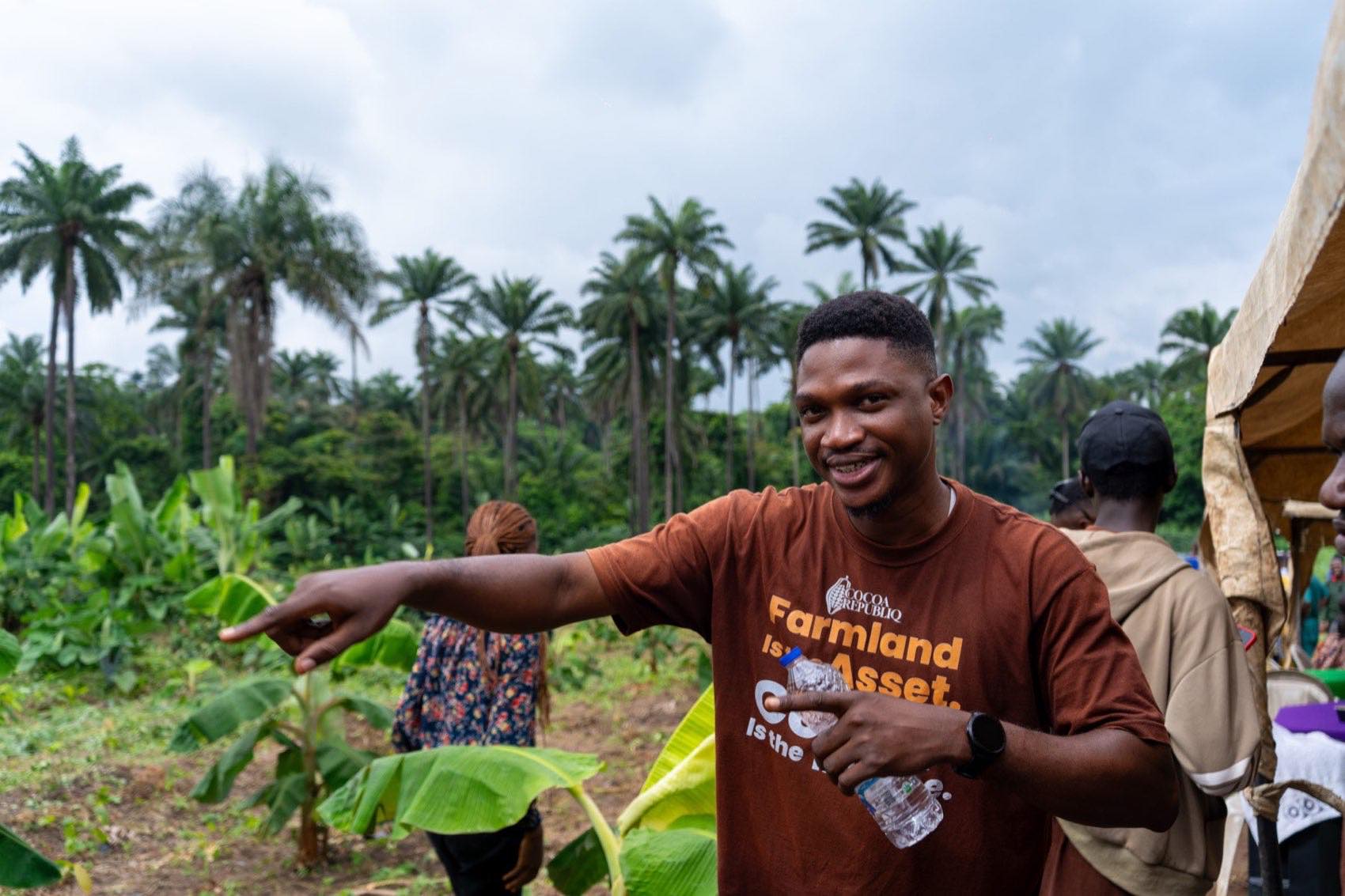
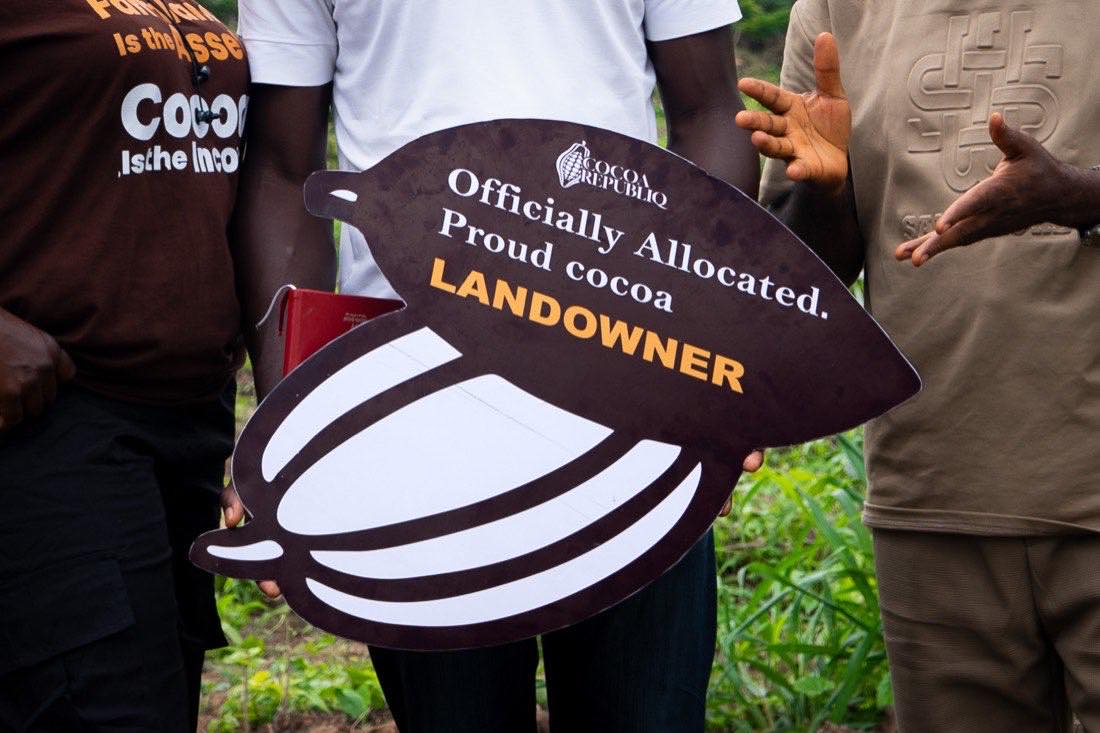
- Cocoa RepubliQ Phase 2 (Obafemi Owode, Ogun State): from ₦4M per acre or ₦9.8M per hectare; owners receive 80% of harvest revenue from year 3, projected at ₦5M–₦8M per acre per year, and every tree is insured.
Risks to understand
- Weather: drought, floods and storms can reduce harvests.
- Pests and diseases: good management reduces losses; insurance helps (Cocoa RepubliQ trees are insured against flood, fire, pests and diseases).
- Prices: farm-gate prices move with supply and demand.
- Management: income depends on the operator’s skill and honesty.
- Liquidity: farmland is a long-term asset, not cash you can withdraw tomorrow.
Combining farmland with a home
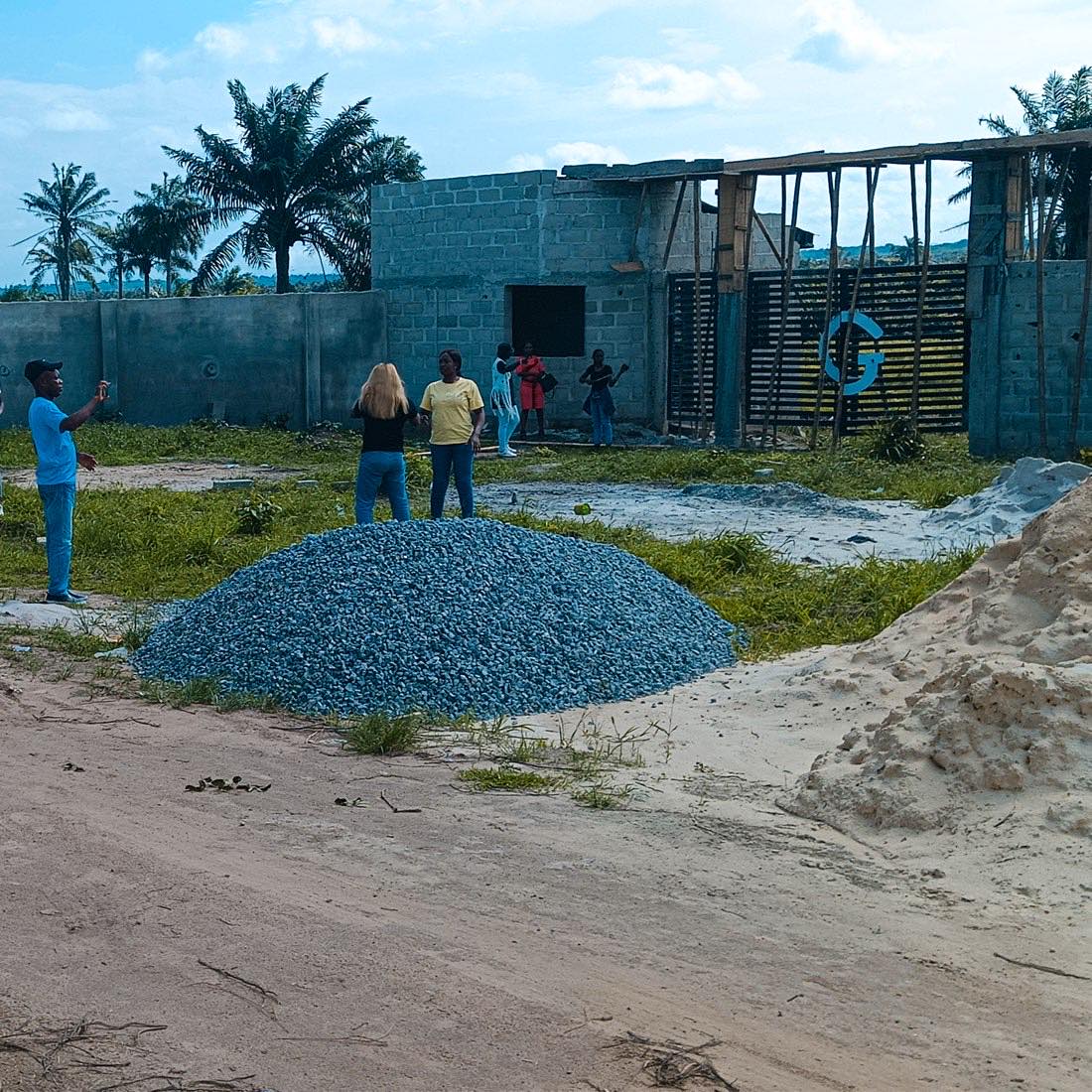
Some buyers want both income and a place to live. Morayo Farm & Residence combines the two: Morayo Farms for managed cassava and plantain, and Morayo Residence, eco-friendly 1,000 sqm plots (₦6M, ₦1.5M deposit, 6 months interest free) where you can build a home with a garden or backyard farm. You can own both on the same estate.
Which is right for you?
If you want income soon and are comfortable with seasonal variation, cassava and plantain suit you. If you want income for decades and can wait three years, cocoa suits you. Many investors combine both to balance short and long-term income.
A simple income example
On Morayo Farms, Gestpoint projects ₦1M–₦5M per acre per year from cassava and plantain. For 2 acres that is ₦2M–₦10M a year, with no farm management fee to deduct. On Cocoa RepubliQ, 2 acres are projected at ₦10M–₦16M a year from year 3. Use the simulators on the Morayo and Cocoa RepubliQ pages to try different sizes.
Why Nigeria's food demand matters
Nigeria’s population is large and young, cities keep growing, and much food is still lost between farm and market. Projects such as the Lagos State Food & Logistics Hub aim to move produce from farms to city markets more efficiently. Well-located, well-managed farmland that supplies staple foods sits right in the middle of that demand.
Questions to ask before you invest
- Do I own the land, and what title does it have?
- Who farms it, and what is their experience?
- How is income calculated and paid? What fees apply?
- How can I monitor the farm (reports, photos, CCTV)?
- Who buys the produce?
- Is the farm insured?
Income figures are projections, not guarantees, because harvests and prices vary. Choose operators who report regularly and transparently. Speak with an advisor to compare Morayo Farms and Cocoa RepubliQ.
Frequently asked questions
Is farmland a good investment in Nigeria?
It can be, because demand for food is growing and you own a real asset. Returns depend on the crop, management and market prices, so choose experienced operators with clear reporting.
Which crop pays fastest?
Cassava and plantain usually produce income within about a year. Cocoa starts later, from year 3, but produces for decades.
How much does a managed farm cost?
Morayo Farms costs ₦11.4M per acre (cassava and plantain). Cocoa RepubliQ starts from ₦4M per acre.
Can I sell my own farm produce?
On Morayo Farms you can sell the produce yourself, sell it to Gestpoint or have it sold on your behalf.
Useful official sources: Federal Ministry of Agriculture and Food Security, International Institute of Tropical Agriculture (IITA).
This guide is for general information and is not legal or financial advice. Prices and fees change; confirm current figures with a GestPoint advisor and your own lawyer.